Measure and record the width of the left, center, and right sections of each door dam to be installed. Enter the measurements in inches. (Use the items needed inventory sheet page 11)
Calculate the total length of weather stripping required, and enter the number of inches needed.
Identify calculate the quantity of each material needed to build a secure and effective dam.
Review the list of tools necessary for assembling and installing the door dams.
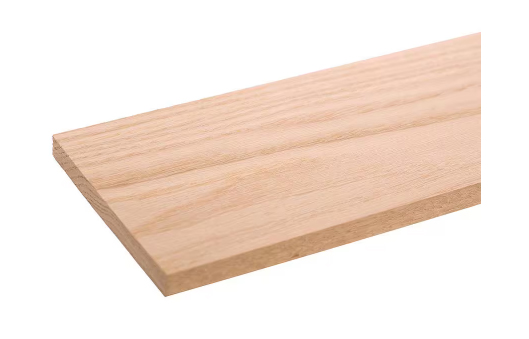
12-inch shelving board – Below is a list of wood types ranked by strength. Stronger woods typically cost more, but you can reduce costs by strategically using your home’s existing strong points: Maple, Oak, Poplar, and pine.
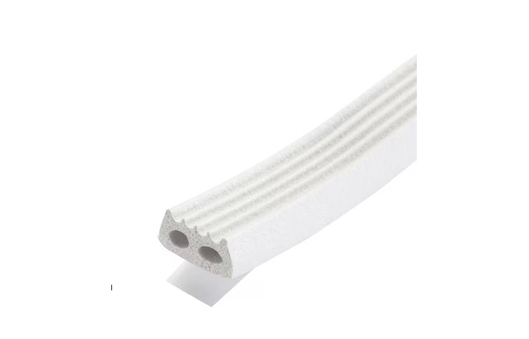
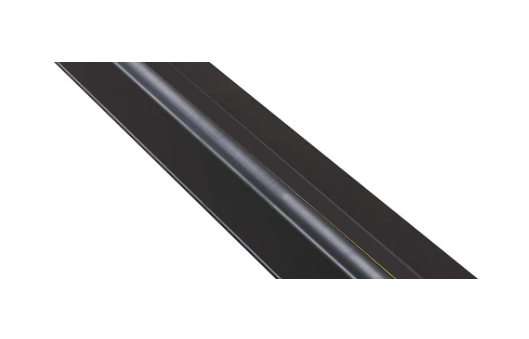
Ribbed rubber weather stripping – approximately 1/2 in wide does not absorb water, and the interlocking ribs provide additional protection against leaks.
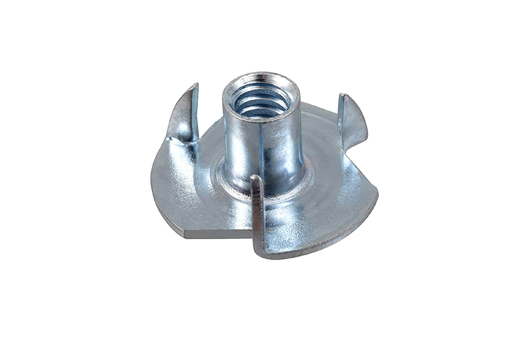
T-nuts – provide added strength and a larger surface area for secure fastening, which is especially important when tightening wood surfaces.
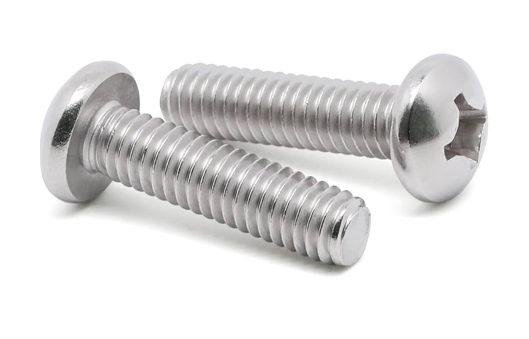
Pan Head Metal screws – are rust-resistant, and when seated in a T-nut, prevent water from seeping in through the entry point.
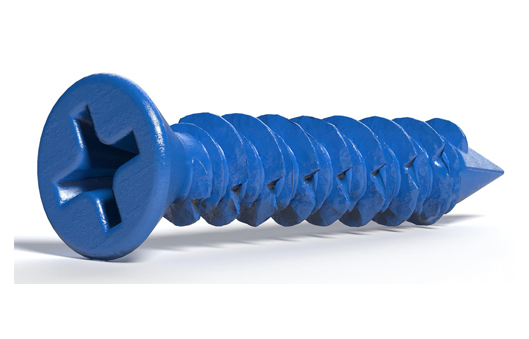
Concrete screws – can be inserted into the wall when the design ensures that seals remain tight against the walls.
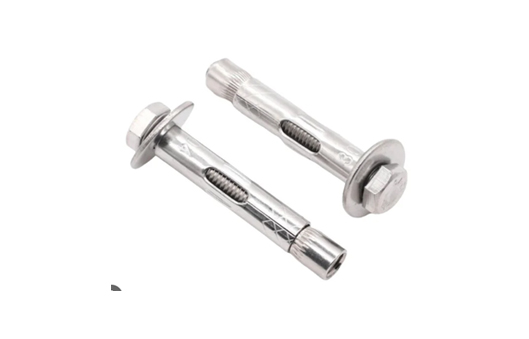
Concrete anchors are most effective when secured to the floor, driveway, or patio, where the greatest force will be exerted on the door dam, increasing resistance to water leaks.
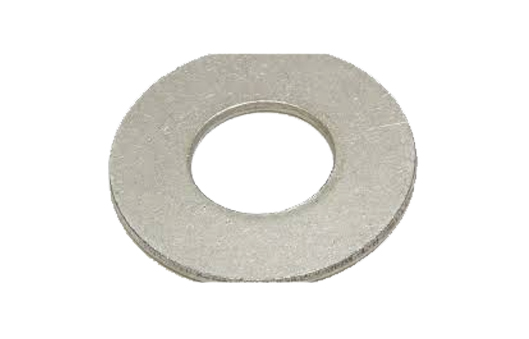
Washers – increase the footprint of the screw head, helping to prevent the wood from collapsing when tightened. Only if needed
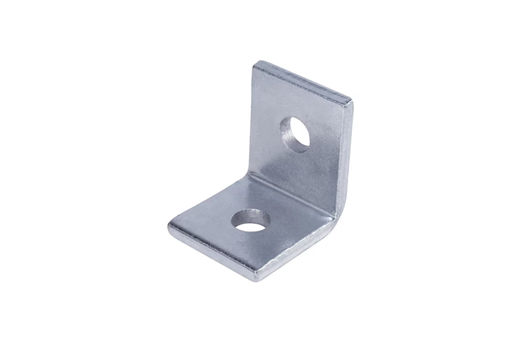
Heavy-duty L brackets – securely hold the dam to concrete/wood to resist the pressure from the water pushing against the dam.
Neoprene Rubber Strips offer flexibility when constructing rain guards. Their wide surface allows for custom fitting into corners and crevices.
Silicone Rubber Glue – this is used to secure the weather stripping together and to the dam.
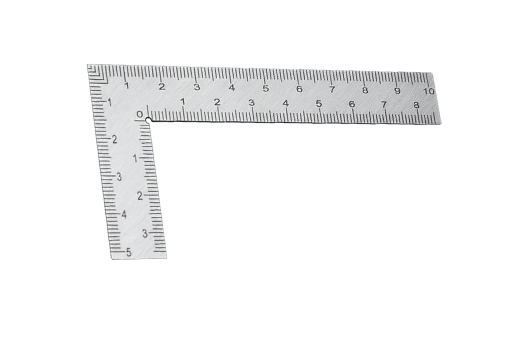
Right-angle ruler – ensures all lines are at perfect 90-degree angles when cutting boards.
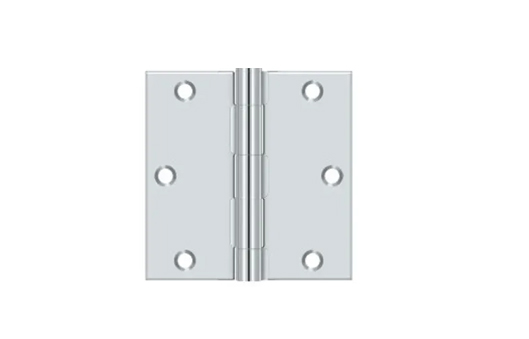
Hinges – be sure to use heavy-duty hinges to securely connect the dam sections
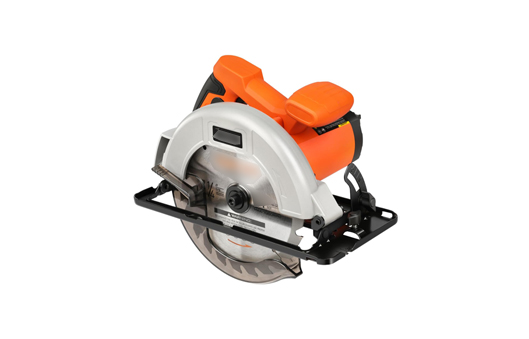
Saw – Circular or jigsaw is acceptable. Make sure all cuts are smooth, 90% angles, and are straight for maximum.
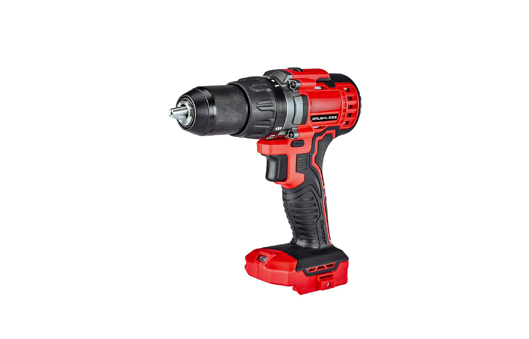
Drill – electric drills for drilling holes and screwing the components together.
Exterior paint – because of its ease of use, a latex paint is suggested to waterproof the shelving board
Additional items: Saw, silicone glue, drill bit, screw driver bits, paint and brush
| Items Needed | Left | Center | Right | Total |
| Shelving board | ||||
| Shelving board Entry door 1 | ||||
| Shelving board Entry door 4 | ||||
| Shelving board Entry door 3 | ||||
| Shelving board Garage door | ||||
| Shelving board Sliding glass door 1 | ||||
| Shelving board Sliding glass door 2 | ||||
| Weather stripping | ||||
| Weather Stripping board Entry door 1 | ||||
| Weather Stripping board Entry door 4 | ||||
| Weather Stripping board Entry door 3 | ||||
| Weather Stripping board Garage door | ||||
| Weather Stripping board Sliding glass door 1 | ||||
| Weather Stripping board Sliding glass door 2 | ||||
| Misc | Quantity | Total | ||
| Pan head screws 1/4 20 x 3/4 (hinges) | ||||
| Pan head screws 1/4 20 x 1 1/2 (seal support) | ||||
| Wood anchors 1/4/ 20 (walls and frames) | ||||
| Concrete anchors (for flooring) (1 every 18 inches) | ||||
| Hinges (at least 3.5 inches) | ||||
| L brackets flooring (1 every 18 inches) | ||||
| L brackets (2 per side on 12 inch shelving board) | ||||
| Exterior paint (no spray – you decide color) | ||||
| Neoprene Rubber Strips (rain guard seals) | ||||
| Entry door | ||||
| Garage door | ||||
| Sliding glass door | ||||
| Tools Needed | ||||
| Right angle ruler | ||||
| Saw (circular or jig saw) | ||||
| Electric drill (drill bits and screw bits) | ||||
| Paint brush/roller |